



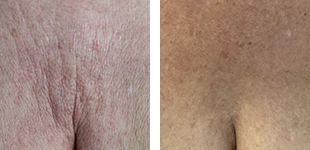
Contents
- 1 What Causes Scars from Ingrown Hairs?
- 2 Tired of Dealing With This Every Time You Shave?
- 3 Common Mistakes
- 4 Who Is Most Likely to Develop Scars?
- 5 How Dr. Kormeili Treats Ingrown Hair Scars
- 6 Three Steps toSmoother Skin
- 7 Why Patients Choose Dr. Tanya Kormeili
- 8 What Results Can Patients Expect to See?
- 9 When should you consider seeing a Dermatologist?
- 10 Tired of Dealing With Ingrown Hair Scars?
- 11 What Our Patients Are Saying
- 12 5.0
- 13 Sarah M
- 14 Jessica L
- 15 Michael R
- 16 Amanda K
- 17 Priya S
- 18 Real Results, Real Confidence
- 19 Schedule Your Consultation
- 20 Contact Inject Form
- 21 Frequently Asked Questions
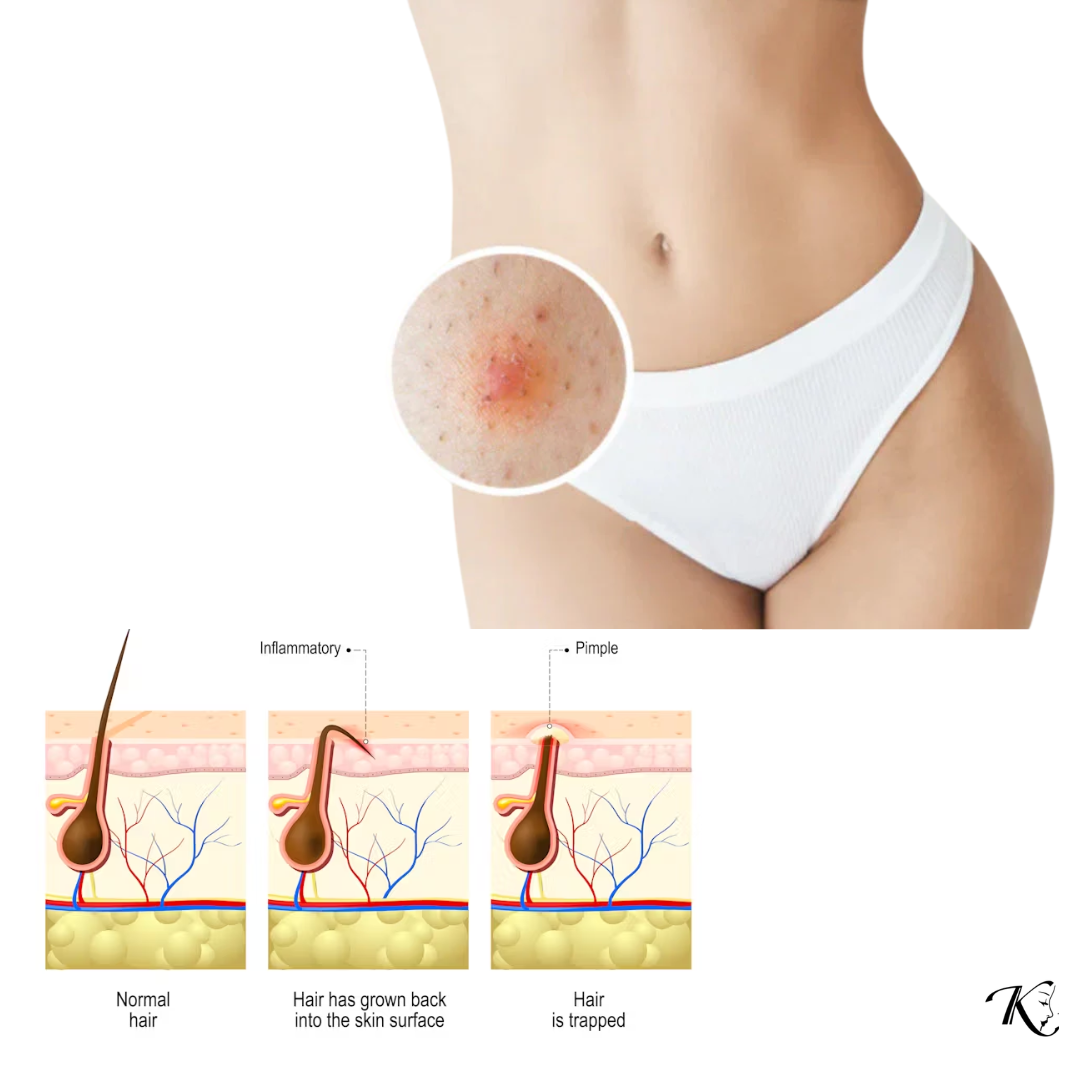
What Causes Scars from Ingrown Hairs?
Ingrown hairs can leave more than just bumps. For some patients, they cause dark scars, raised scars, or keloids that can last for years. These scars commonly appear in areas that experience frequent shaving or friction including:
- Beard and neck
- Bikini area
- Legs
- Underarms
- Back of the neck
If you are dealing with raised scars, dark marks, or thick keloids from ingrown hairs, a dermatologist can treat both the scar and the root cause of the ingrown hairs.
Request AppointmentTired of Dealing With This Every Time You Shave?
If ingrown hairs or razor bumps are causing scars, effective treatments are available. Dr. Tanya Kormeili can evaluate your skin and recommend treatments to restore smoother, healthier skin.
Common Mistakes
Many patients feel:
- Embarrassed by bumps on their neck or bikini area
- Frustrated that nothing works
- Tired of covering dark marks
- Worried their scars are getting worse
You may have tried creams, exfoliants, or changing how you shave… but the problem keeps coming back.
That’s because this is often a medical skin condition — not just a skincare issue.
Who Is Most Likely to Develop Scars?
Risk factors to watch
You’re in the Right Place If
- You get razor bumps after shaving
- Ingrown hairs keep coming back
- You have dark marks that won’t fade
- You have raised scars or keloids
- Nothing you’ve tried has worked
How Dr. Kormeili Treats Ingrown Hair Scars
Many patients try creams for years with minimal improvement. Dermatologic treatments can dramatically improve both the scar and the cause of the ingrown hairs.
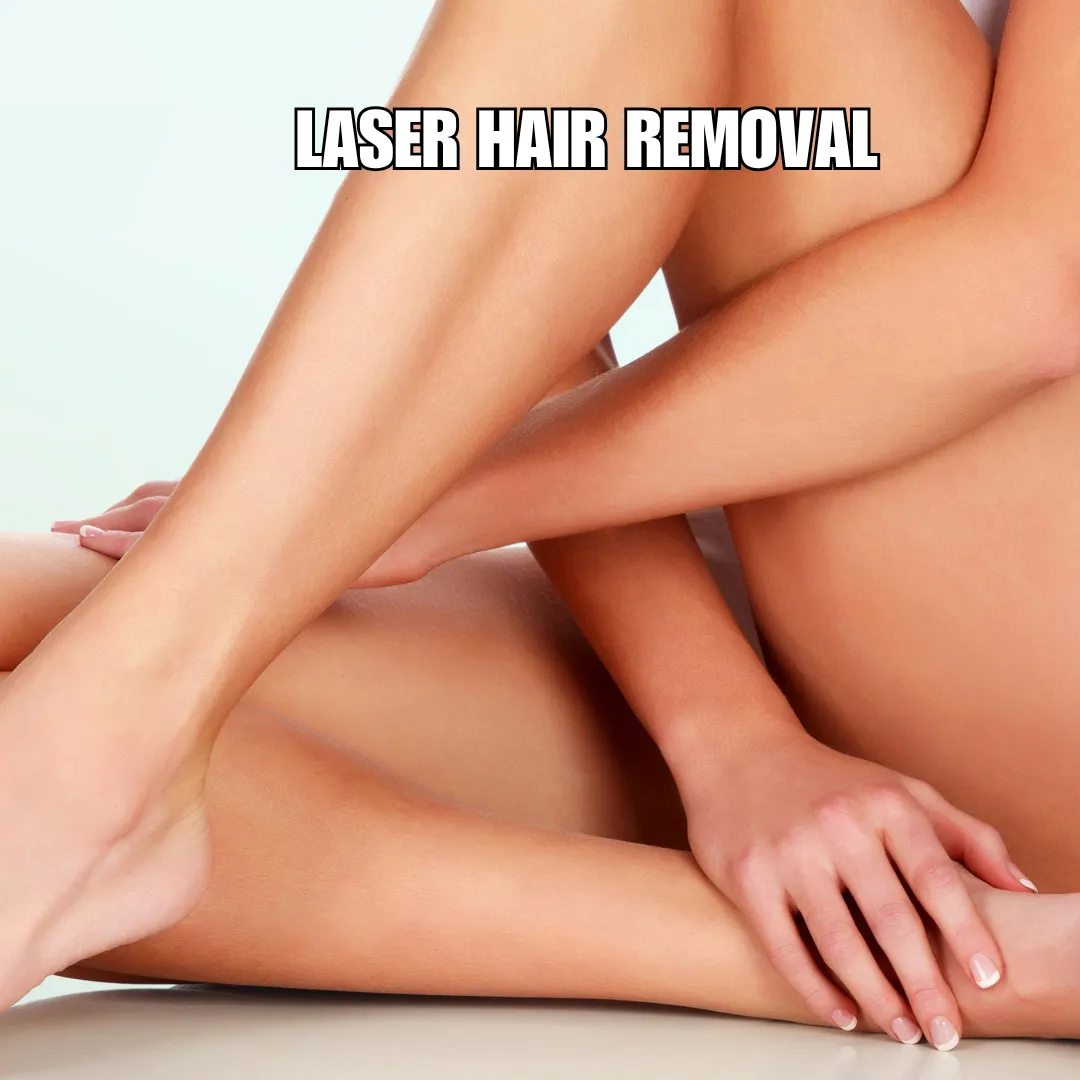
Laser Hair Removal
For many patients, the most effective solution is laser hair removal, which reduces or eliminates the hair follicle causing the ingrown hairs.
Benefits include:
- Long-term prevention of new scars
- Smoother skin
- Reduced inflammation
- Fewer ingrown hairs
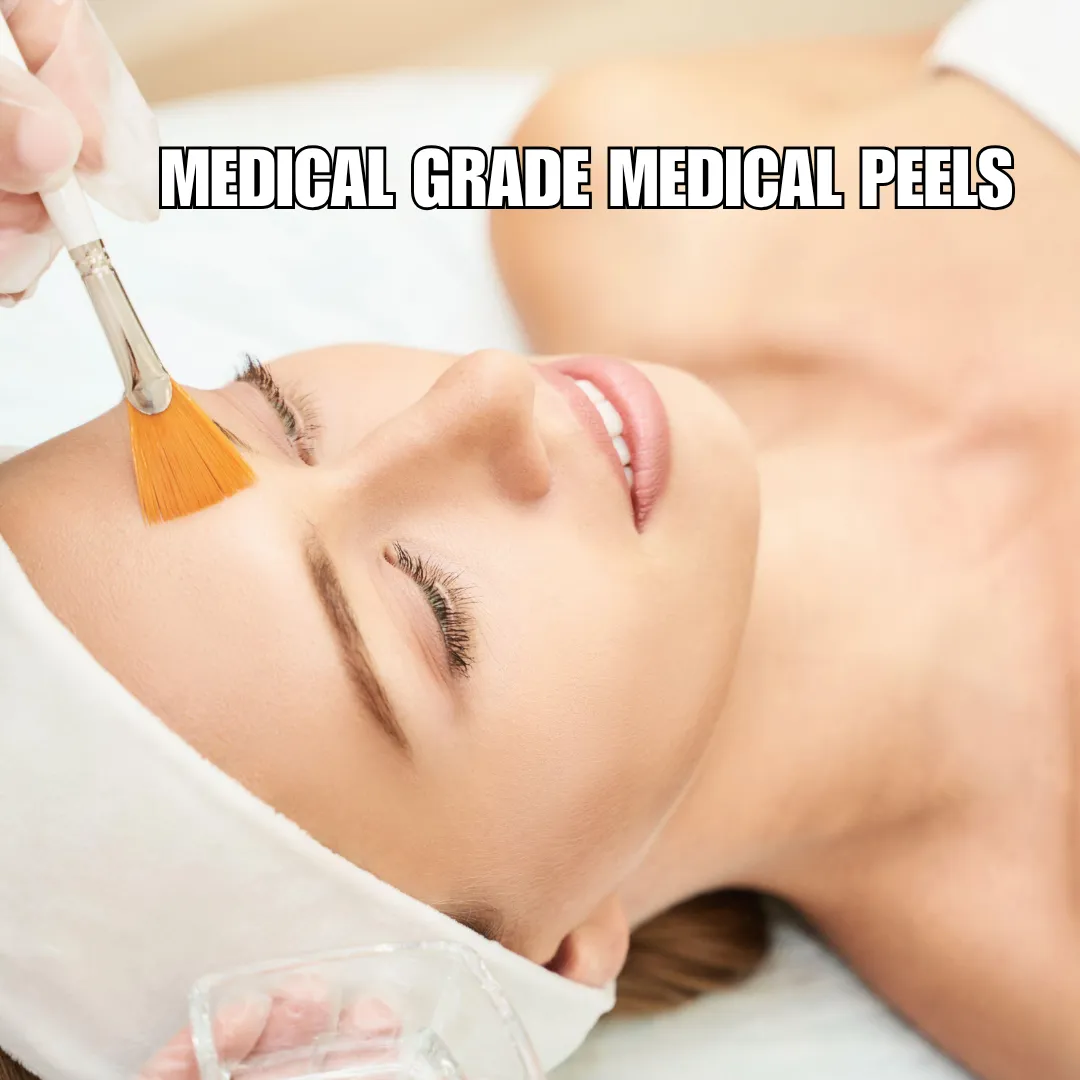
Chemical Peels for Dark Marks
Chemical peels help improve discoloration caused by ingrown hairs by stimulating skin renewal.
They can help:
- Long-term prevention of new scars
- Smoother skin
- Reduced inflammation
- Fewer ingrown hairs
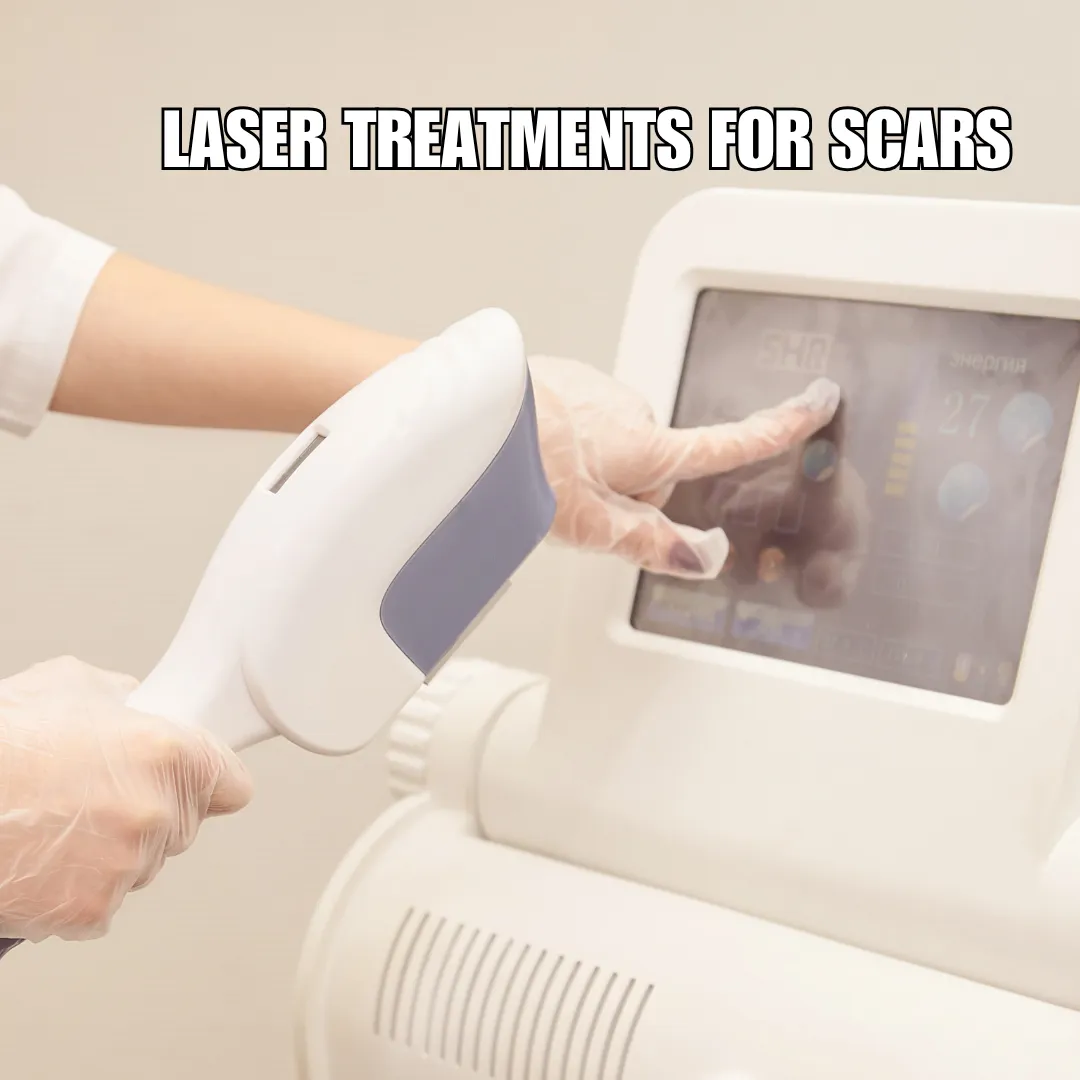
Laser Treatments for Scars
Advanced dermatologic lasers can improve the appearance of scars by stimulating collagen remodeling.
These treatments may help:
- Reduce redness
- Soften raised scars
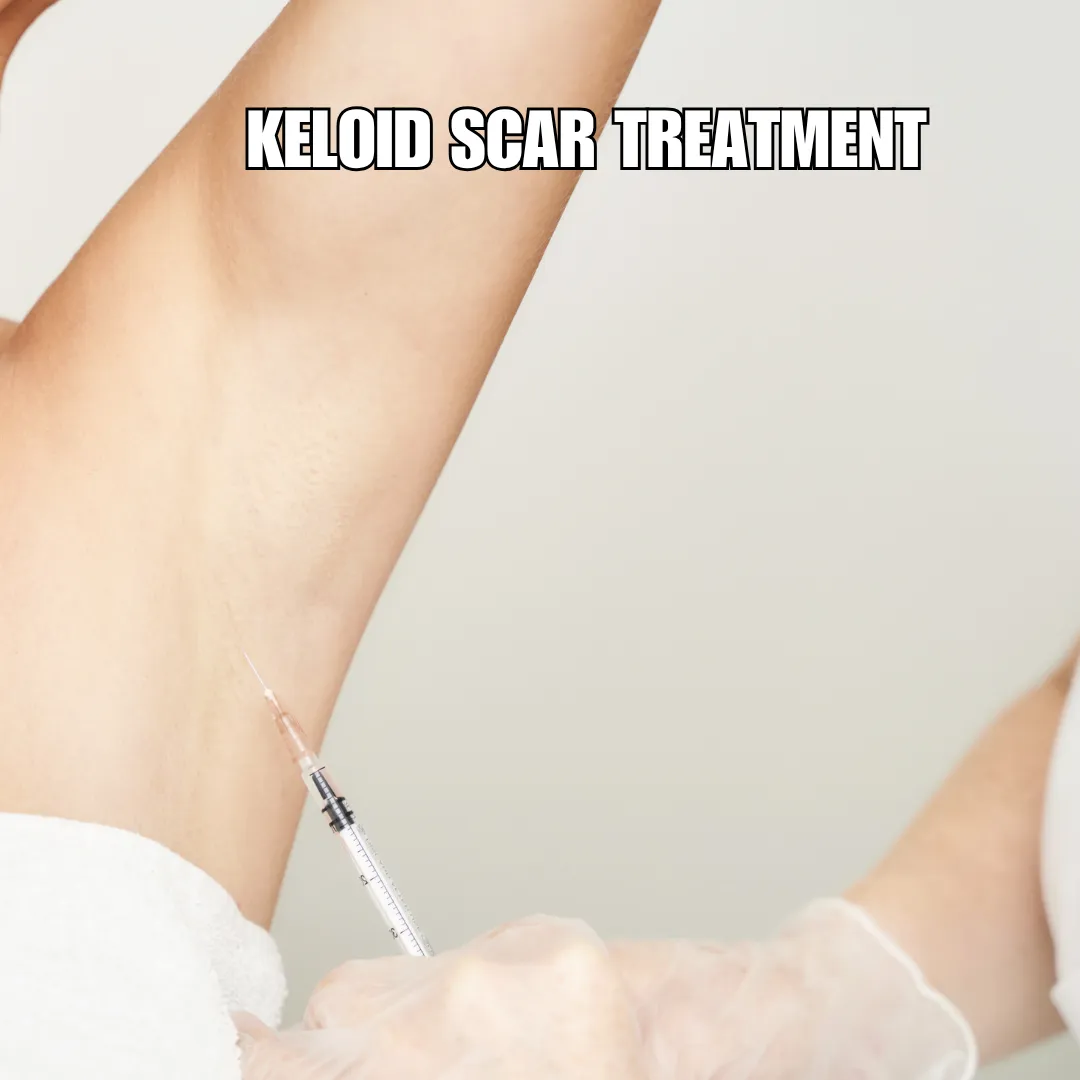
Keloid Scar Treatment
Raised scars may require specialized dermatologic treatment.
Dr. Kormeili uses targeted therapies that can:
- Flatten raised scars
- Reduce inflammation
- Slow abnormal collagen production
How It Works
Three Steps toSmoother Skin
This approach helps patients improve existing scars while also preventing new ones from forming, creating a clearer and more confident result over time.
Stop the Ingrown Hairs
Reducing the hair follicle with laser hair removal or medical therapy helps prevent new inflammation from developing.
Calm Inflammation
Medical treatments help reduce swelling, tenderness, and irritation that may worsen the skin and increase visible scarring.
Improve the Scar
Advanced dermatology treatments such as lasers, injections, and peels improve texture, tone, and the overall appearance of scars.
WHY DR. KORMEILI
Why Patients Choose Dr. Tanya Kormeili
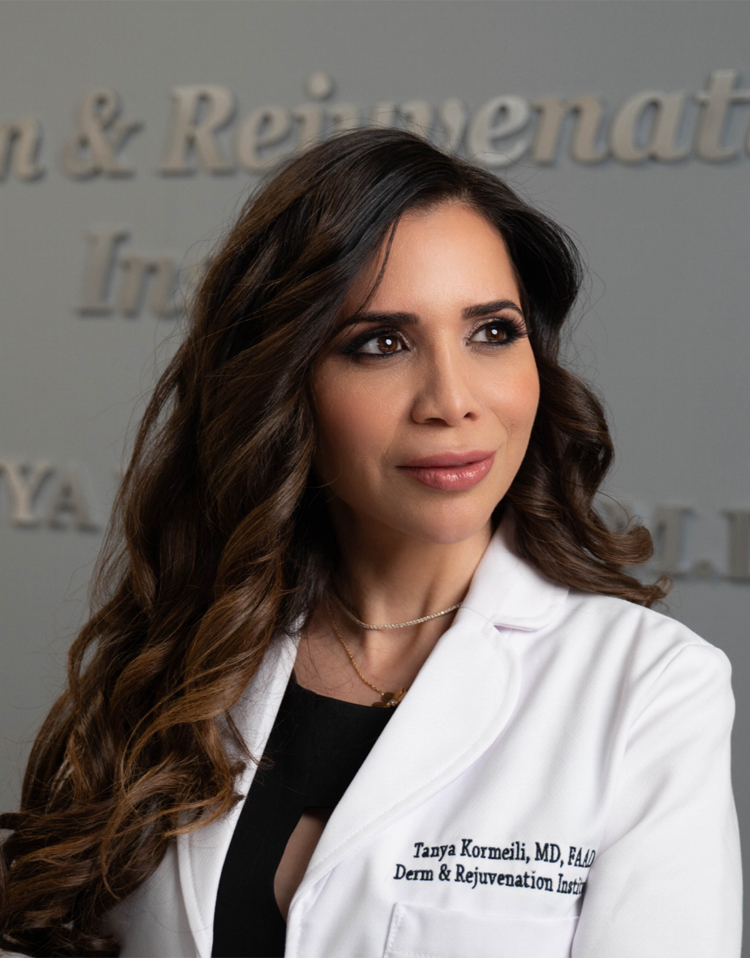
Patients travel to see Dr. Tanya Kormeili, a board-certified dermatologist and dermatologic surgeon in Santa Monica, for complex skin concerns including scarring disorders. Because ingrown hair scars often involve both medical dermatology and cosmetic scar treatments, a dermatologist experienced in both areas can achieve better outcomes.
 Board-certified dermatology expertise
 Advanced laser technologies
 Treatment plans customized for each patient
 Experience treating all skin types
 Combined medical and cosmetic dermatology care
15+
Years of Experience
100000+
Procedures Completed
40000+
Happy Patients
Dermatologist
Board-Certified
What Results Can Patients Expect to See?
With the right treatment plan, many patients experience significant improvement. Because scars develop over time, improvement typically occurs gradually as the skin heals.
- Smoother skin texture
- Fewer ingrown hairs
- Fading dark marks
- Flatter scars
Take Action
When should you consider seeing a Dermatologist?
You should consider seeing a dermatologist if you have:
- Dark marks that do not fade
- Raised scars or keloids
- Painful razor bumps
- Irritation after shaving
Tired of Dealing With Ingrown Hair Scars?
If ingrown hairs or razor bumps are causing scars, effective treatments are available. Dr. Tanya Kormeili can evaluate your skin and recommend treatments to restore smoother, healthier skin.
Schedule a Consultation at Derm & Rejuvenation InstitutePATIENT REVIEWS
What Our Patients Are Saying
5.0
★★★★★
GOOGLE RATING · 200+ REVIEWS
S
G
Dr. Kormeili completely transformed my skin. The laser treatment for my ingrown hair scars was incredible — I finally feel confident wearing shorts again. Best dermatologist in Santa Monica!
Verified Google Review
J
G
I’ve been to many dermatologists but none compare to Dr. Kormeili. Her VBeam laser cleared my rosacea after just 3 sessions. The staff is amazing.
Verified Google Review
M
G
As someone who shaves daily, ingrown hairs were a nightmare. Dr. Kormeili’s laser hair removal gave me the smoothest skin I’ve ever had. 100% recommend!
Verified Google Review
A
G
The ILK cortisone injection worked wonders on my keloid scars. Dr. Kormeili is incredibly knowledgeable and made me feel comfortable throughout.
Verified Google Review
P
G
Dr. Kormeili is a true artist and scientist. She explained every option clearly and the chemical peel was perfect for my skin tone. Absolutely glowing!
Verified Google Review
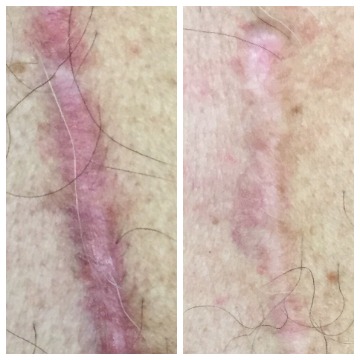
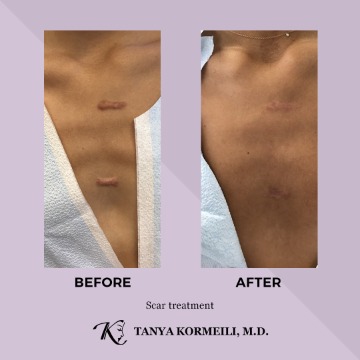
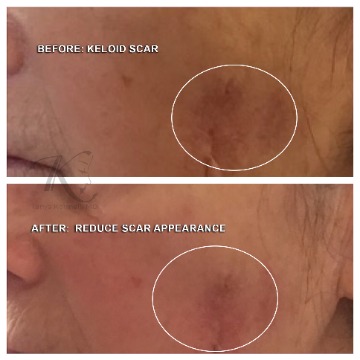
Real Results, Real Confidence
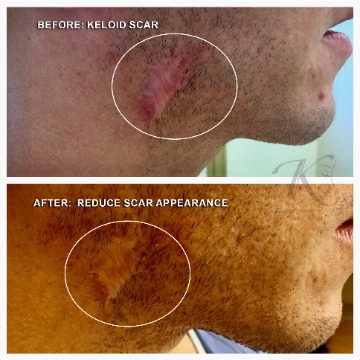
Schedule Your Consultation
If ingrown hairs are leaving dark marks, bumps, or keloid scars, effective treatments are available. Dr. Kormeili can evaluate your skin and develop a personalized treatment plan.
Contact Inject Form
"*" indicates required fields
Questions & Answers
Frequently Asked Questions
-
Who is the best doctor to treat keloid scars caused by ingrown hairs?
Keloid scars caused by ingrown hairs are best treated by a board-certified dermatologist who specializes in both medical dermatology and cosmetic scar treatments. Dr. Tanya Kormeili is a board-certified dermatologist and dermatologic surgeon who treats patients with keloids, razor bumps, and ingrown hair scarring using advanced dermatologic treatments including lasers, injections, and medical therapies.
-
Why should I see Dr. Kormeili for ingrown hair scars instead of a med spa?
Ingrown hair scars and keloids are medical skin conditions, not just cosmetic concerns. Treating them incorrectly can make scars worse. Dr. Kormeili is a board-certified dermatologist with extensive medical training in diagnosing and treating complex skin conditions such as keloid scars, pseudofolliculitis barbae (razor bumps), hyperpigmentation from inflammation, and chronic ingrown hair disorders.

Dr. Tanya Kormeili is a nationally recognized, board-certified dermatologist and Clinical Professor of Dermatology at UCLA’s David Geffen School of Medicine. With prestigious training and extensive experience in both medical and cosmetic dermatology, she is renowned for her expertise in skin cancer treatment, laser and surgical procedures, and advanced aesthetic care. An accomplished researcher and frequent speaker, Dr. Kormeili has contributed groundbreaking work to dermatology literature and earned numerous international awards for her clinical excellence. Dedicated to educating patients and advancing the field, she combines cutting-edge science with a personalized approach to help every patient achieve healthy, radiant skin.