




Contents
- 1 How Menopause Impacts Hair Growth
- 2 Types of Hair Loss Common in Menopause
- 3 Treatment Options for Hair Thinning and Shedding
- 4 At-Home Hair Care Recommendations to Promote Hair Growth
- 5 In-Office Procedures for Hair Restoration
- 6 When to Seek Professional Help
- 7 Schedule a Hair Restoration Consultation
- 8 Why Patients Choose Dr. Tanya Kormeili
- 9 Why Our Patient Are Saying
Menopause brings many changes, and hair thinning or loss is one of the most distressing for many women. As hormone levels shift, hair can become finer, shed more noticeably, and lose its luster, affecting confidence and self-image. At Derm & Rejuvenation Institute, we offer compassionate, effective solutions to restore thickness and vitality. Our personalized treatments address the root causes, helping you regain healthy, beautiful hair during this transition. Whether you are experiencing gradual thinning or sudden shedding, professional care can make a significant difference. Discover how our expertise in menopause and hair loss can support you in feeling your best.
As a board-certified dermatologist, Dr. Kormeili has the skills, knowledge, and expertise necessary to reverse the signs of heartbreak – or celebrate the transition– and get you back on your feet to conquer the world before you. The first step on this journey is to schedule a personal consultation with the doctor to discuss your questions and concerns. To contact our office directly, please call (310) 526-8301.
How Menopause Impacts Hair Growth
Declining estrogen and progesterone levels during menopause disrupt hair growth cycles, which can lead to thinning hair or hair loss. With lower estrogen, hair spends more time in the resting telogen phase and less time in the anagen phase or active growth phase of the hair cycle. This gradually leads to increased shedding and slower hair regrowth. Meanwhile, progesterone reduction impairs scalp circulation, limiting the supply of oxygen and nutrients to roots. Androgens like testosterone, which remain stable or rise relatively during menopause, can accelerate hair loss in some women, mimicking male pattern baldness but in a diffuse female pattern. Testosterone increase can also shrink the hair follicles, leading to shorter, finer hairs that impact hair volume. Scalp oil production also drops, causing dryness and brittleness.
Aging compounds this with slower cell turnover and reduced blood flow. Nutrient deficiencies in iron, zinc, biotin, and vitamin D, common in menopause from dietary changes or absorption issues, weaken strands. Stress elevates cortisol, pushing more hairs into the shedding phase, while thyroid imbalances disrupt growth cycles, adding to the effects of hormonal changes.
Types of Hair Loss Common in Menopause
The two most common types of hair loss in menopausal women are female pattern baldness and telogen effluvium. Female pattern hair loss (androgenetic alopecia) affects the crown and part line, causing it to widen. Simultaneously, an increase in testosterone causes diffuse thinning, meaning the hair sheds evenly across the scalp, making it look less full without bald patches. Telogen effluvium causes temporary excessive shedding months after hormonal triggers, often resolving with treatment.
Rarely, autoimmune conditions like alopecia areata create round bald spots. Traction alopecia from tight hairstyles can also worsen during menopause due to fragile strands. In addition to hair loss on the scalp, women may experience unwanted hair growth on the face, specifically in areas like the chin or upper lip, as a result of imbalanced testosterone levels. We offer specialized treatments to both stimulate hair growth on the scalp and prevent unwanted growth in other areas.
Treatment Options for Hair Thinning and Shedding
Hair loss management during menopause requires comprehensive treatment, sometimes with a combination of medical therapies, lifestyle support, and dermatology services for optimal outcomes. Medications like topical minoxidil stimulate follicles, while oral spironolactone blocks androgens in women. Low-level laser therapy caps can stimulate hair follicles to encourage hair growth and restore thick, glossy hair. Hormone replacement therapy may help, especially if patients are experiencing other symptoms of menopause, such as hot flashes, mood swings, and vaginal dryness. If you are experiencing significant hair loss, you can also consider hair restoration surgery or a hair transplant. We customize treatment plans based on your stage of menopause, hair loss type, and health profile, monitoring progress to adjust as needed for thicker, healthier hair.
At-Home Hair Care Recommendations to Promote Hair Growth
Hair loss treatment can be easily complemented with a few at-home lifestyle changes. Sulfate-free shampoos with biotin, keratin, and saw palmetto can strengthen the hair and reduce shedding. Limit heat styling and use protective serums if using a hair dryer to prevent dryness. Gentle brushing with wide-tooth combs and the use of silk pillowcases will also prevent breakage. Scalp massages can boost circulation and encourage healthy blood flow, which is necessary to deliver nutrients to the hair follicles. We also recommend incorporating a diet rich in omega-3s, protein, iron, and antioxidants. This includes foods like salmon, nuts, spinach, and berries.
In-Office Procedures for Hair Restoration
We offer advanced procedures that can safely and effectively encourage new hair growth and replenish a full head of hair. Some of our most popular treatment options include:
PRP for Hair Loss
Platelet-rich plasma (PRP) therapy harnesses growth factors from your own blood to regenerate healthy hair follicles. During treatment, we will draw a small vial of blood and spin it in a centrifuge to separate the platelets that are rich in healing and growth factors. These platelets are then injected into areas of the scalp where you are experiencing hair thinning. PRP lengthens the growth phase, thickens strands, and reduces shedding by nourishing roots. Treatment sessions are initially scheduled every four to six weeks, and patients will see visible improvements in hair density in three months.
Vitamin B12 Injections
Vitamin B12 injections address common deficiencies that can contribute to menopausal or age-related hair loss. B12 supports red blood cell production, which is necessary to deliver oxygen and nutrients to the scalp. We administer targeted vitamin shots combined with other treatments to promote faster growth of new, healthy hair.
When to Seek Professional Help
Anyone who is experiencing noticeable and bothersome hair loss is encouraged to contact our office. If you’re noticing a sudden increase in hair shedding, patchiness, or a thinning hair line, Dr. Kormeili can determine whether the cause of your symptoms is related to menopause or an underlying hair disorder. She will recommend the best treatment option based on your unique needs and provide advice for at-home care to slow the progression of your hair loss. If you are experiencing scalp irritation or other changes to your scalp, we recommend that you schedule an appointment as soon as possible to rule out other causes.
Schedule a Hair Restoration Consultation
If you want to restore thicker, healthier hair, schedule a consultation today at Derm & Rejuvenation Institute. We are proud to offer several specialized treatments for menopausal symptoms and can help you revitalize your overall health and wellness as you experience this new stage of life.
WHY DR. KORMEILI
Why Patients Choose Dr. Tanya Kormeili
Patients travel to see Dr. Tanya Kormeili, a board-certified dermatologist and dermatologic surgeon in Santa Monica, for complex skin concerns including scarring disorders. Because ingrown hair scars often involve both medical dermatology and cosmetic scar treatments, a dermatologist experienced in both areas can achieve better outcomes.
 Board-certified dermatology expertise
 Advanced laser technologies
 Treatment plans customized for each patient
 Experience treating all skin types
 Combined medical and cosmetic dermatology care
15+
Years of Experience
100000+
Procedures Completed
40000+
Happy Patients
Dermatologist
Board-Certified

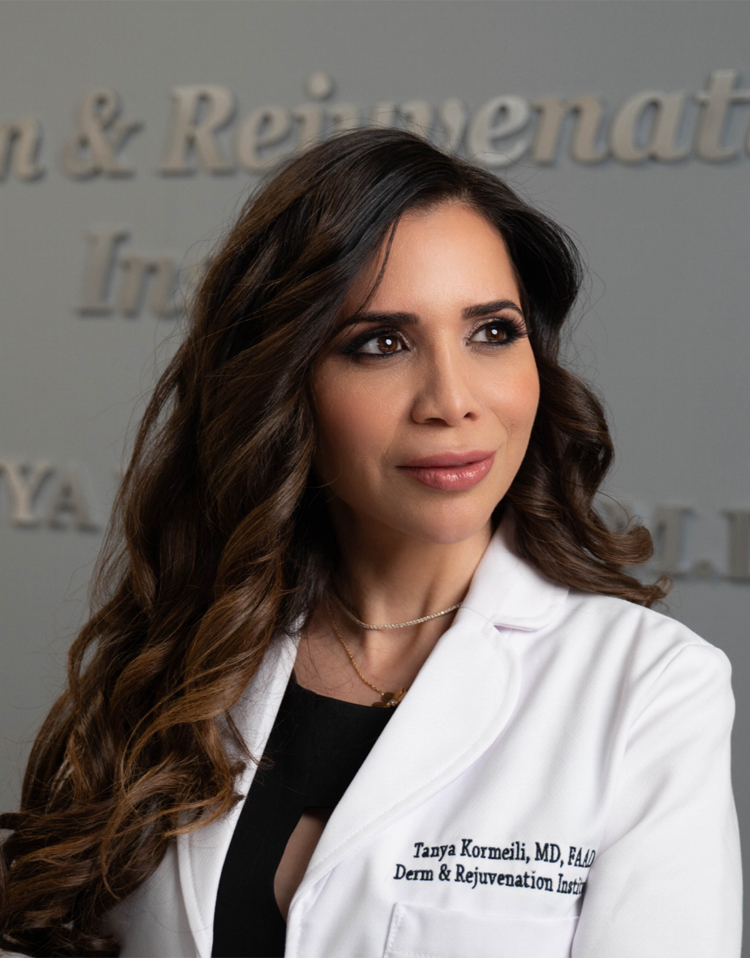
Dr. Tanya Kormeili is a nationally recognized, board-certified dermatologist and Clinical Professor of Dermatology at UCLA’s David Geffen School of Medicine. With prestigious training and extensive experience in both medical and cosmetic dermatology, she is renowned for her expertise in skin cancer treatment, laser and surgical procedures, and advanced aesthetic care. An accomplished researcher and frequent speaker, Dr. Kormeili has contributed groundbreaking work to dermatology literature and earned numerous international awards for her clinical excellence. Dedicated to educating patients and advancing the field, she combines cutting-edge science with a personalized approach to help every patient achieve healthy, radiant skin.