



Contents
“Doctor… my skin is blotchy, my hair is falling out, and my stretch marks look worse every day. What happened to me?”
That’s how many new moms start their postpartum skin consults — sometimes with tears, sometimes with a nervous laugh, and always with that look of please tell me this is temporary.
And I get it. Postpartum isn’t just about diaper duty and midnight feedings — it’s a full-body metamorphosis. Your hormones, skin, and hair are adjusting faster than your sleep schedule, and it can feel like your reflection belongs to someone else.
But here’s the truth: you’re not falling apart — you’re rebuilding beautifully.
The Postpartum Hormonal Plot Twist
During pregnancy, your hormones — especially estrogen and progesterone — are at all-time highs. They give you that enviable “glow,” boost collagen, and keep your hair thick and shiny.
Then delivery happens… and your hormone levels drop off a cliff. The placenta, your temporary hormone factory, is gone. Your body suddenly has to recalibrate, which affects everything from your melanin production to your hair cycle.
The Mask of Pregnancy: Melasma and Blotchy Skin
If you’ve noticed dark patches on your cheeks, upper lip, or forehead, you’re likely dealing with melasma — affectionately (and exasperatingly) called the mask of pregnancy.
Blame the hormones! Estrogen and progesterone stimulate pigment-producing cells (melanocytes), creating uneven patches that can linger long after baby arrives.
While melasma may fade naturally, most women need a little help. Treatments can include:
- Brightening creams with hydroquinone or tranexamic acid
- Gentle chemical peels (once you’re done breastfeeding)
- Laser treatments for deeper pigmentation
- And yes, SPF 50+ every single day — because sunlight makes melasma dig in like a toddler refusing a nap.
Hair Today, Gone Tomorrow: Postpartum Hair Loss
Ah yes — the dreaded hair tumbleweed phase.
During pregnancy, estrogen keeps hair in the lush growth phase (anagen). After birth, as hormone levels plummet, all those extra hairs suddenly shed at once. The result: clogged drains, thinner ponytails, and mild panic.
This condition, known as telogen effluvium, typically peaks around 3–6 months postpartum and improves within a year.
To help:
- Keep taking prenatal vitamins — they nourish both baby hairs and big dreams.
- Eat nutrient-dense foods rich in iron, zinc, and protein.
- Try PRP (Platelet-Rich Plasma) therapy — it uses your body’s own growth factors to speed up regrowth.
- And remember: your hair will come back. Patience (and a good volumizing mousse) goes a long way.
Dry Skin, Stretch Marks & Spider Veins — Oh My!
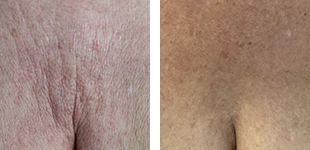
Postpartum skin often feels dry, itchy, or lackluster. Add in stretch marks, spider veins, and skin laxity, and you might start wondering where your “pregnancy glow” went.
Here’s what’s happening: fluctuating hormones affect your collagen and elastin fibers, while dehydration, sleep deprivation, and stress don’t help.
The fix?
- Use ceramide-rich creams and body oils to lock in moisture.
- Drink water like it’s your job.
- Ask your dermatologist about laser treatments or sclerotherapy for veins and stretch marks — they’re safe and effective post-pregnancy.
What If You’re Breastfeeding?
Breastfeeding keeps prolactin levels high, which delays estrogen’s return. That means dry skin, breakouts, and hair shedding might stick around a bit longer.
Don’t worry — dermatologists can tailor safe treatments, even for nursing moms. Think:
- Fragrance-free, gentle cleansers
- Niacinamide for redness and barrier repair
- Brightening serums without harsh retinoids
- Targeted acne therapies that won’t affect milk supply
A Final Word from Your Dermatologist
Let’s set the record straight: postpartum isn’t a “bounce-back” era — it’s a rebuilding season. You just created a human being from scratch. Your body deserves the same patience and compassion you give your baby.
But if the blotchy skin, shedding hair, or stubborn stretch marks are hurting your confidence, you don’t have to wait it out. There are safe, effective, dermatologist-approved treatments that can help you look — and feel — like yourself again.
Ready to Love the Skin You’re In Again?
At our office, we specialize in postpartum skin and hair transformations. From melasma treatments and acne management to PRP therapy and laser solutions, we’ll help you reclaim your glow — safely, scientifically, and beautifully.
Call us today or schedule your consultation online.
Your body has done something extraordinary. Now let’s help your skin catch up.

Dr. Tanya Kormeili is a nationally recognized, board-certified dermatologist and Clinical Professor of Dermatology at UCLA’s David Geffen School of Medicine. With prestigious training and extensive experience in both medical and cosmetic dermatology, she is renowned for her expertise in skin cancer treatment, laser and surgical procedures, and advanced aesthetic care. An accomplished researcher and frequent speaker, Dr. Kormeili has contributed groundbreaking work to dermatology literature and earned numerous international awards for her clinical excellence. Dedicated to educating patients and advancing the field, she combines cutting-edge science with a personalized approach to help every patient achieve healthy, radiant skin.