



Contents
If you are exploring PRP facial rejuvenation in Malibu, CA, this guide is designed to give you a clear, thorough understanding of what platelet rich plasma therapy involves, how it works, and what you can realistically expect. PRP therapy harnesses the healing potential within your own blood to support skin renewal and address a wide array of concerns, from wrinkles and sun damage to hair loss. Whether you are just beginning your research or are ready to take the next step, the information here will help you make confident, informed decisions. This guide covers how PRP works, what treatment involves, who may be a good candidate, and what results research suggests patients may experience. If you would like to discuss your options with a specialist, contact Derm & Rejuvenation Institute at 310-526-8301.
What Is Platelet Rich Plasma and How Does It Work?
Platelet rich plasma, commonly called PRP, is a concentration of platelets derived from your own blood. Platelets are small cells that play a central role in the body’s natural healing process. They contain growth factors, which are proteins that signal cells to repair tissue, produce collagen, and speed wound healing.
To prepare PRP, a small amount of blood is drawn from your arm, similar to a routine blood draw. That blood is then placed in a centrifuge, a device that spins rapidly and separates blood components by density. Separating the platelets from the red blood cells and other substances yields a high concentration of platelets suspended in plasma. This platelet-rich preparation is then injected or applied to targeted areas of the skin or scalp.
Because PRP is derived from your own body, it is generally well-tolerated. As with any injectable treatment, your provider will discuss potential risks and individual considerations during your consultation.
PRP Therapy for Skin Rejuvenation
PRP therapy applied to the face is often called the vampire facial, a term that refers to the combination of microneedling and PRP. During this treatment, PRP is either injected directly into the skin or applied topically following microneedling, allowing the growth factors to penetrate more deeply.
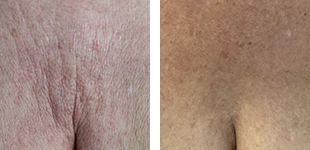
Research suggests that PRP may help the skin produce collagen and elastin, two proteins that support firmness and a smoother texture. Sun damage, deep wrinkles, and uneven tone are among the concerns patients seek to address through this approach. Studies have shown that repeated sessions can support visible improvements in skin quality over time, though individual results vary.
PRP skin rejuvenation is not a one-size-fits-all treatment. The number of sessions recommended, the technique used, and the areas treated are all tailored to your skin concerns and goals. Most patients require a series of sessions to achieve best results, and maintenance treatments may be recommended to sustain improvements.
For patients in the Malibu area dealing with signs of aging or sun-related skin changes, PRP-based skin treatments represent one option within a broader range of rejuvenating therapies available at Derm & Rejuvenation Institute.
PRP Therapy for Hair Loss
Beyond the face, PRP therapy has been studied as a treatment option for hair loss. When injected into the scalp, PRP growth factors may help stimulate hair follicles and support new growth in areas where hair has thinned. Research in this area is ongoing, and results vary by individual, degree of hair loss, and underlying causes.
Patients interested in scalp PRP are encouraged to schedule a thorough evaluation, as hair loss can stem from a wide array of causes including hormonal changes, genetics, and nutritional factors. A proper diagnosis shapes which therapy is most appropriate.
What to Expect During PRP Treatment
A PRP session typically begins with a blood draw, after which the sample is processed in the centrifuge while you are prepared for treatment. Comfort measures are available, and most patients find the experience manageable. Some mild redness or sensitivity in the treated areas is common following the session.
Downtime is generally minimal for most patients, though individual recovery varies. Many people return to their regular activities the same day or the following day. Your provider will give you specific aftercare instructions, including guidance on sun protection, which is especially important during the healing period.
The effects of PRP build gradually as the body responds to the growth factors and begins producing collagen. Noticeable results typically appear over several weeks following treatment, with continued improvements as the skin heals and remodels.
Who May Be a Good Candidate for PRP?
PRP therapy may be appropriate for patients who want to rejuvenate their skin using a biologically based approach, or who are interested in addressing hair thinning without pharmaceutical interventions. Patients with concerns about wrinkles, sun damage, skin texture, or a loss of youthful vitality often inquire about PRP.
Candidacy is assessed during a consultation. Certain medical conditions or medications may affect whether PRP is the right choice, and your provider will review your health history carefully. PRP is generally considered safe when performed by a qualified provider, and its profile makes it a consideration for patients who prefer treatments that use the body’s own healing substances.
Why Choose Derm & Rejuvenation Institute
When it comes to PRP facial rejuvenation in Malibu and the surrounding region, the experience and credentials of your provider matter. Tanya Kormeili, MD, is a board-certified dermatologist with extensive specialized training in both medical and aesthetic dermatology. Dr. Kormeili serves as a Clinical Professor at UCLA and has been recognized as a Castle Connolly Top Doctor, reflecting a commitment to clinical excellence and patient-centered care.
At our practice, every patient receives a thorough, individualized evaluation. We believe in treating patients the way we would want our own family members treated, with honesty, expertise, and genuine attention to your goals. Our approach combines clinical rigor with a warm, empowering patient experience.
Frequently Asked Questions About PRP Therapy
How many PRP sessions are typically needed to see results?
Most patients benefit from a series of three to four sessions spaced several weeks apart. The exact number of sessions recommended will depend on your skin concerns, the areas being treated, and how your body responds to therapy. Your provider will outline a personalized plan during your consultation.
Is PRP facial therapy the same as the vampire facial?
The term vampire facial typically refers to a specific combination of microneedling and PRP, where the platelet rich plasma is applied to the skin following microneedling to enhance absorption. PRP can also be injected directly into facial areas. Your provider will recommend the technique best suited to your goals.
How long do the effects of PRP therapy last?
Results vary by individual and depend on factors such as age, skin condition, lifestyle, and the number of sessions completed. Many patients choose periodic maintenance treatments to sustain the improvements over time. Our providers can help you plan a realistic long-term approach.
Can PRP be combined with other skin treatments?
PRP therapy is often combined with complementary treatments to support more comprehensive results. Common combinations include microneedling, Fraxel laser, injectable neuromodulators, or dermal fillers, depending on the patient’s goals. A thorough consultation will identify which approach makes sense for your individual skin.
What is the cost of PRP therapy?
The investment in PRP treatment varies based on the areas treated, the number of sessions in your plan, and any complementary therapies included. We encourage you to schedule a consultation for an accurate, personalized estimate. Financing options may be available to help make treatment accessible.
Is PRP therapy safe for all skin tones?
Yes! Because PRP uses your own blood rather than external substances, it is generally well-tolerated across a range of skin tones. However, individual factors always influence candidacy. A thorough evaluation with a board-certified dermatologist is the best way to determine whether PRP is appropriate for your skin type and concerns.
How should I prepare for a PRP session?
Your provider will give you specific pre-treatment instructions, which may include avoiding certain medications or supplements that affect platelet function, staying well-hydrated, and arriving with clean skin. Following these guidelines helps support the best possible outcome from your treatment.
You now have a solid foundation of knowledge about PRP facial rejuvenation and how platelet rich plasma therapy works to support the body’s own healing and renewal processes. The next step is a personalized consultation to explore whether PRP is right for your skin, your goals, and your health history. Derm & Rejuvenation Institute proudly serves patients seeking PRP facial rejuvenation in Malibu, CA and throughout the greater Los Angeles area. Schedule your consultation online or call us at 310-526-8301 today.

Dr. Tanya Kormeili is a nationally recognized, board-certified dermatologist and Clinical Professor of Dermatology at UCLA’s David Geffen School of Medicine. With prestigious training and extensive experience in both medical and cosmetic dermatology, she is renowned for her expertise in skin cancer treatment, laser and surgical procedures, and advanced aesthetic care. An accomplished researcher and frequent speaker, Dr. Kormeili has contributed groundbreaking work to dermatology literature and earned numerous international awards for her clinical excellence. Dedicated to educating patients and advancing the field, she combines cutting-edge science with a personalized approach to help every patient achieve healthy, radiant skin.